Kostní transplantace: Co to je a kdy je potřeba?
When your jawbone loses density after a tooth is lost, kostní transplantace, proces, při kterém se do čelisti přidává kostní materiál, aby se obnovila její hmotnost a struktura. Also known as kostní očkování, it is not just a surgical step—it’s often the only way to make zubní implantace possible. Without enough bone, implants won’t hold. They’ll wobble, fail, or never be placed at all.
Many people don’t realize that losing a tooth doesn’t just leave a gap—it starts a slow collapse of the jawbone. Within a year, you can lose up to 25% of the bone volume. This isn’t just about looks. It affects your ability to chew, speak, and even keeps your face from sagging. That’s why ztráta kosti is such a silent problem. You won’t feel pain, but your dentist will see it on the X-ray. And if you wait too long, you might need more than a simple transplant—you could need a complex graft from your hip or sinus lift, which means more time, more cost, and more recovery.
Kostní transplantace isn’t for everyone. It’s needed when the bone is too thin or too soft to support an implant. It’s common after long-term denture use, after trauma, or when gum disease has eaten away the bone around teeth. But it’s also used preventively—sometimes right after a tooth is pulled, to save the bone before it has a chance to shrink. The material used can come from your own body, a donor, or synthetic sources. Each has pros and cons, but the goal is always the same: build back what was lost so your new tooth can stand strong.
What you’ll find in the posts below aren’t just technical descriptions. These are real stories and clear explanations from a dental hygienist who’s seen patients struggle with missing teeth, failed implants, and delayed treatments. You’ll learn how to spot early signs of bone loss, what actually happens during the transplant, and why some people need it while others don’t. You’ll also find tips on how to protect your jawbone after extractions, how to avoid mistakes that lead to more surgery, and what to ask your dentist before saying yes to any procedure. This isn’t about fear—it’s about knowing your options before it’s too late.
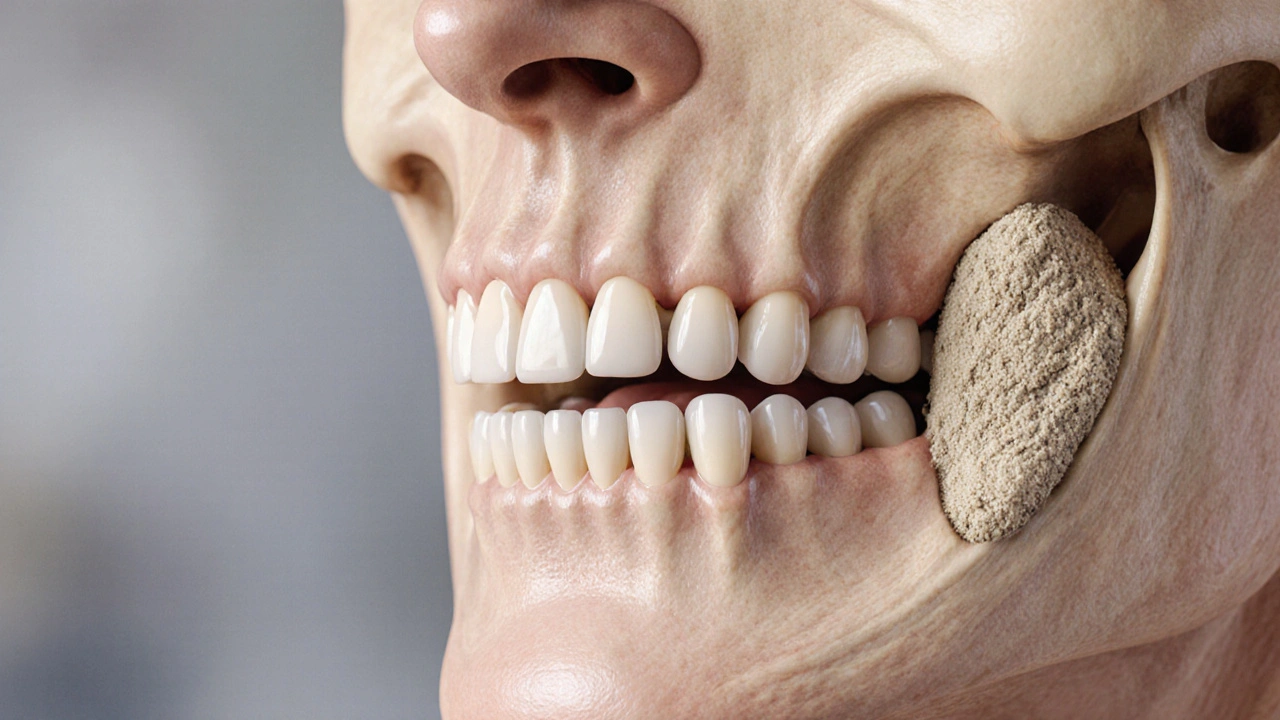
Co je to augmentace kosti a proč ji potřebujete při implantaci zubů?
Augmentace kosti je nezbytný krok při implantaci zubů, pokud je kost v čelisti příliš tenká. Zjistěte, kdy je potřeba, jak probíhá a proč se vyplatí investovat do tohoto postupu.
Číst více